
 Rocket Kits & Combos
 Rocket Motors & Propulsion
 Rocket Parts & Subcomponents
 Launch Equipment
 Experimental Rocketry Equipment
 Tools & Supplies
 Services
 Merchandise
Showing 1–3 of 3 parachutes
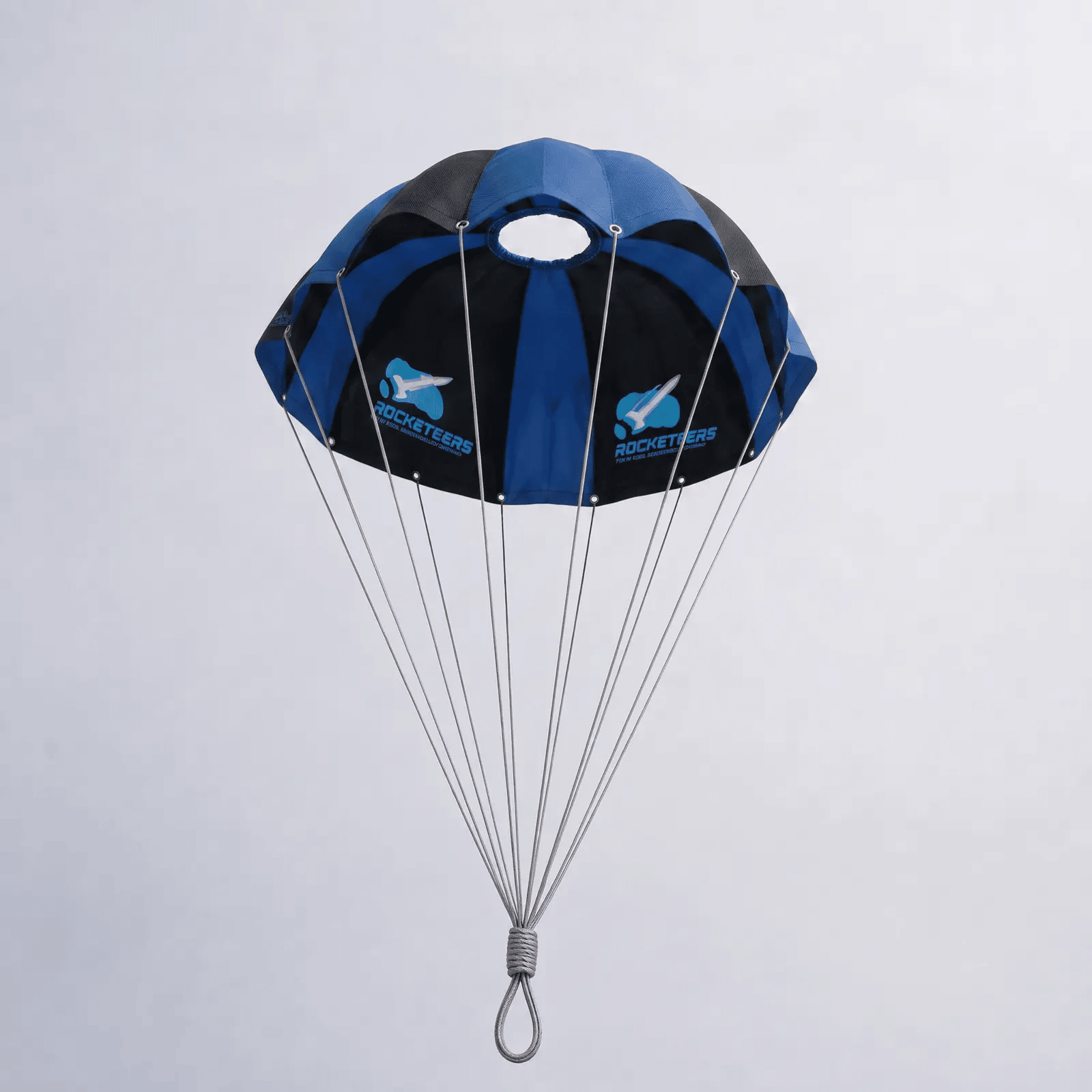
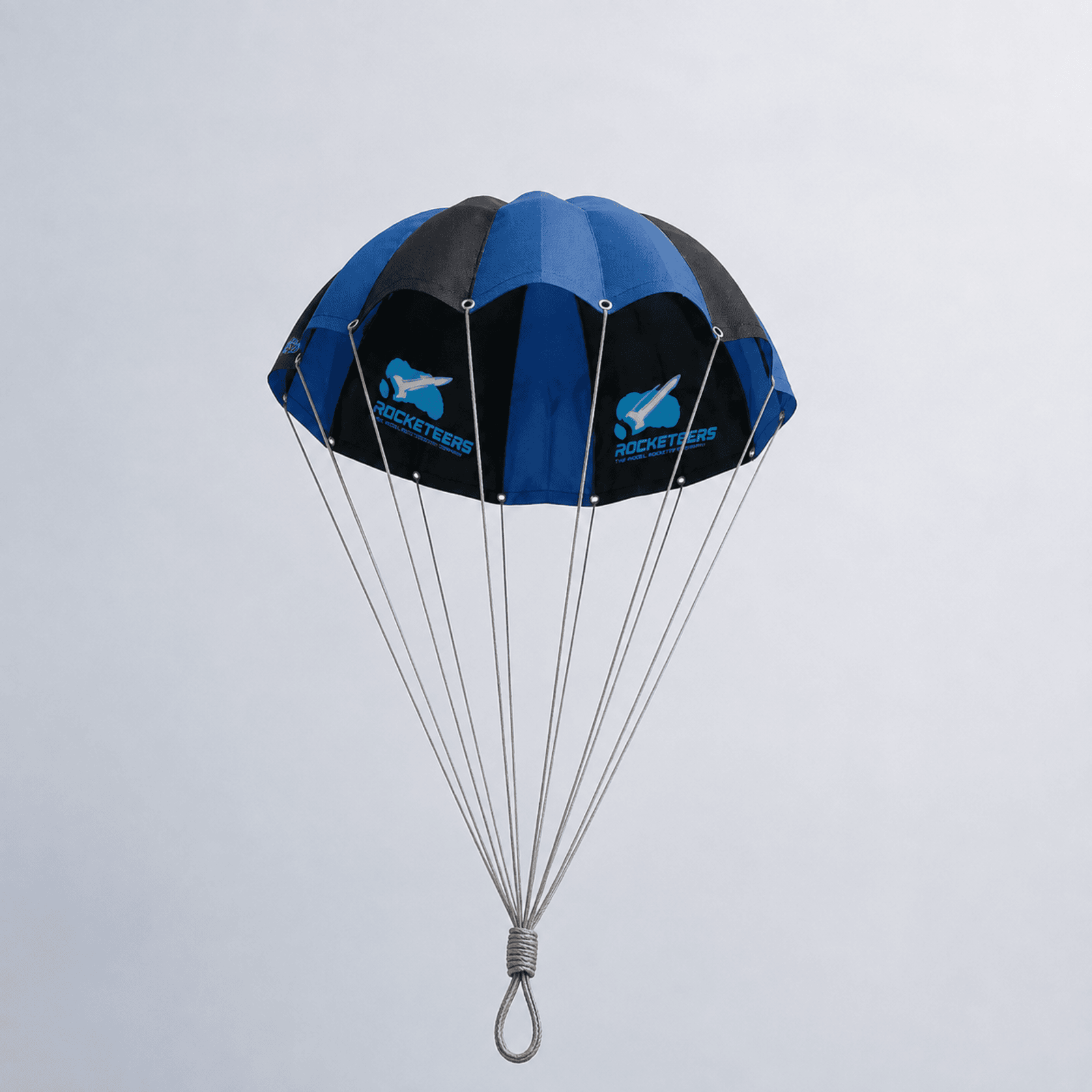
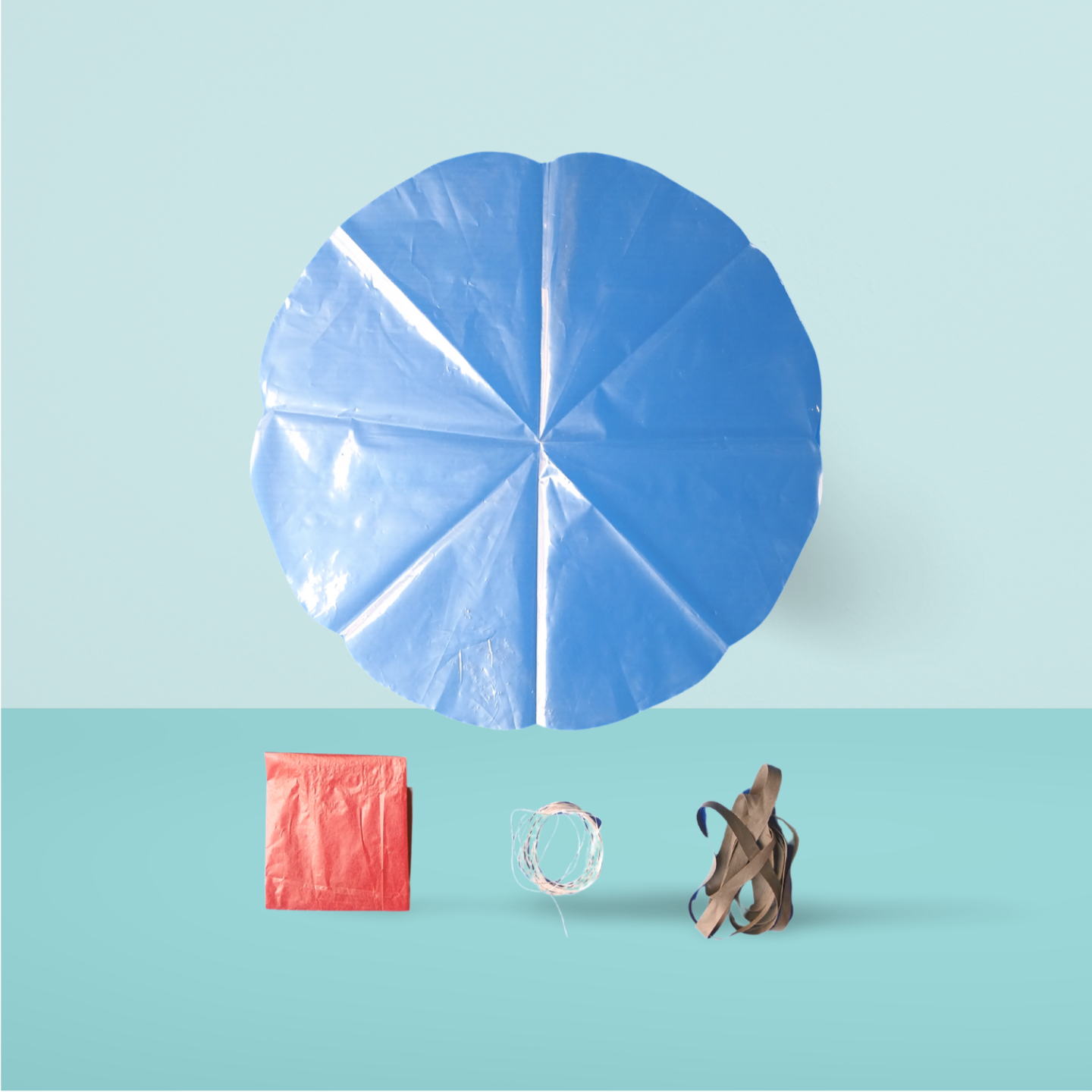
Design Comparison
Same fabric, same hemispherical curved-gore construction — different behaviour on the way down.
| Spec | Without Spill-hole | With Spill-hole |
|---|---|---|
| Construction | Hemispherical, curved gore panels | Hemispherical, curved gore panels |
| Coefficient of Drag (Cd) | 1.5 — same descent speed as the vented canopy | 1.5 — same descent speed as the unvented canopy |
| Descent behaviour | Higher tendency to oscillate/swing | Vents evenly — stable, minimal oscillation |
| Vent hole | None | 20% of canopy diameter |
| Payload protection | Payload swings and jerks during descent | Smoother, more controlled descent — easier on cameras, altimeters, electronics |
| Wind-day reliability | More prone to instability in gusty conditions | Holds shape better in wind, less prone to collapse-and-refill |
| Shroud line tangling | Higher risk — swinging motion twists lines | Lower risk — stable, straighter descent path |
| Best for | Test flights, low-value payloads, calm-day launches | Payloads, electronics, cameras, or any day with wind — recommended default |
Both designs share identical hemispherical curved-gore construction and the same Cd (1.5), so neither design falls faster or slower than the other — the spill hole does not add drag or capacity. What it changes is how the canopy behaves in the air: the unvented canopy tends to swing and oscillate, which can jostle a payload and twist shroud lines over repeated flights. The spill hole lets air escape evenly, keeping the canopy steadier and reducing that swinging motion, especially noticeable in windy conditions. For an empty test airframe, the unvented canopy is a perfectly capable, lower-cost choice. For anything you don't want jostled, tangled, or blown off course — a camera, altimeter, or any payload — the spill hole's added stability is what the price difference is paying for.
Cd of 1.5 (referenced to constructed/nominal diameter) matches standard model-rocketry drag-coefficient conventions for hemispherical canopies.